SMALL CAMPING ESSENTIALS. A BIG DIFFERENCE TO YOUR TRIP.
Camping essentials, clever little tricks and the things you’ll be very glad you remembered.
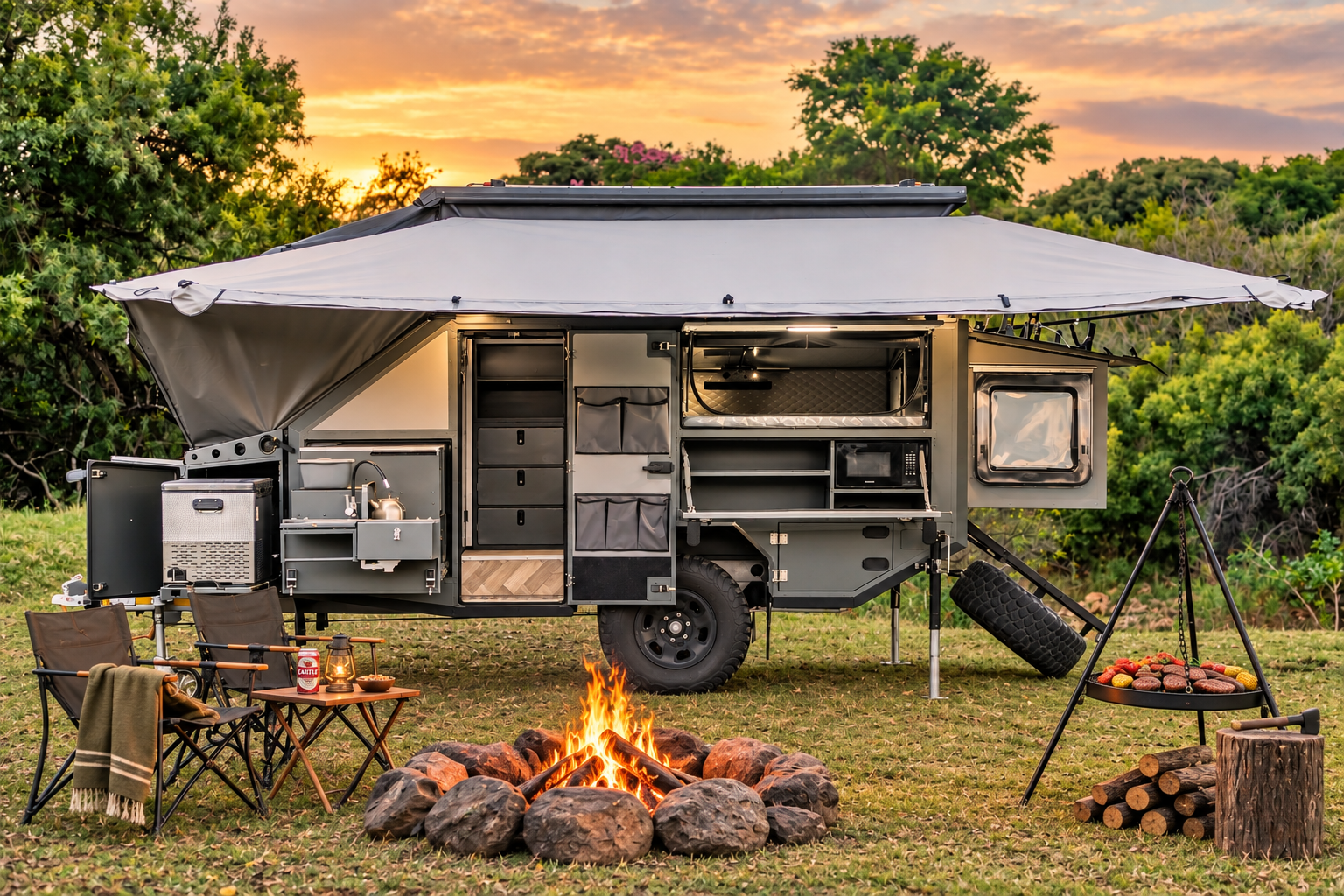
You Packed the Braai. But Did You Pack the Toilet Paper?
There’s a particular moment on a camping trip when everyone goes quiet.
Someone has asked, “Who packed the…?”
And nobody has answered...
Hopefully, it’s the playing cards. Less hopefully, it’s the matches, the bedding or the only thing standing between you and a very uncomfortable visit to the loo.
Whether you’re pitching a tent for the weekend or towing a caravan somewhere wonderfully remote, a little preparation makes life outdoors easier. Some of the most useful things you can bring take up hardly any space.
Here’s what deserves a place on your packing list—and a few tricks to make the whole trip run more smoothly.
1 - Shelter and sleeping: give yourself a good night
That beautiful campsite can feel considerably less romantic at 2am when you’re cold, your pillow is missing and something damp is touching your foot.
Pack bedding for the overnight temperatures at your destination, along with pillows, an extra blanket and a warm layer. If you use an inflatable mattress, remember the pump and check for leaks at home.
For tent campers, check the poles, pegs, ropes and rainfly before leaving. The campsite is an inconvenient place to discover your tent bag contains most of a tent.
Try this: pack a complete set of sleeping clothes in a waterproof bag. Keep it separate from the clothes you’ll wear while travelling or setting up. Dry socks at bedtime can do wonders for morale.
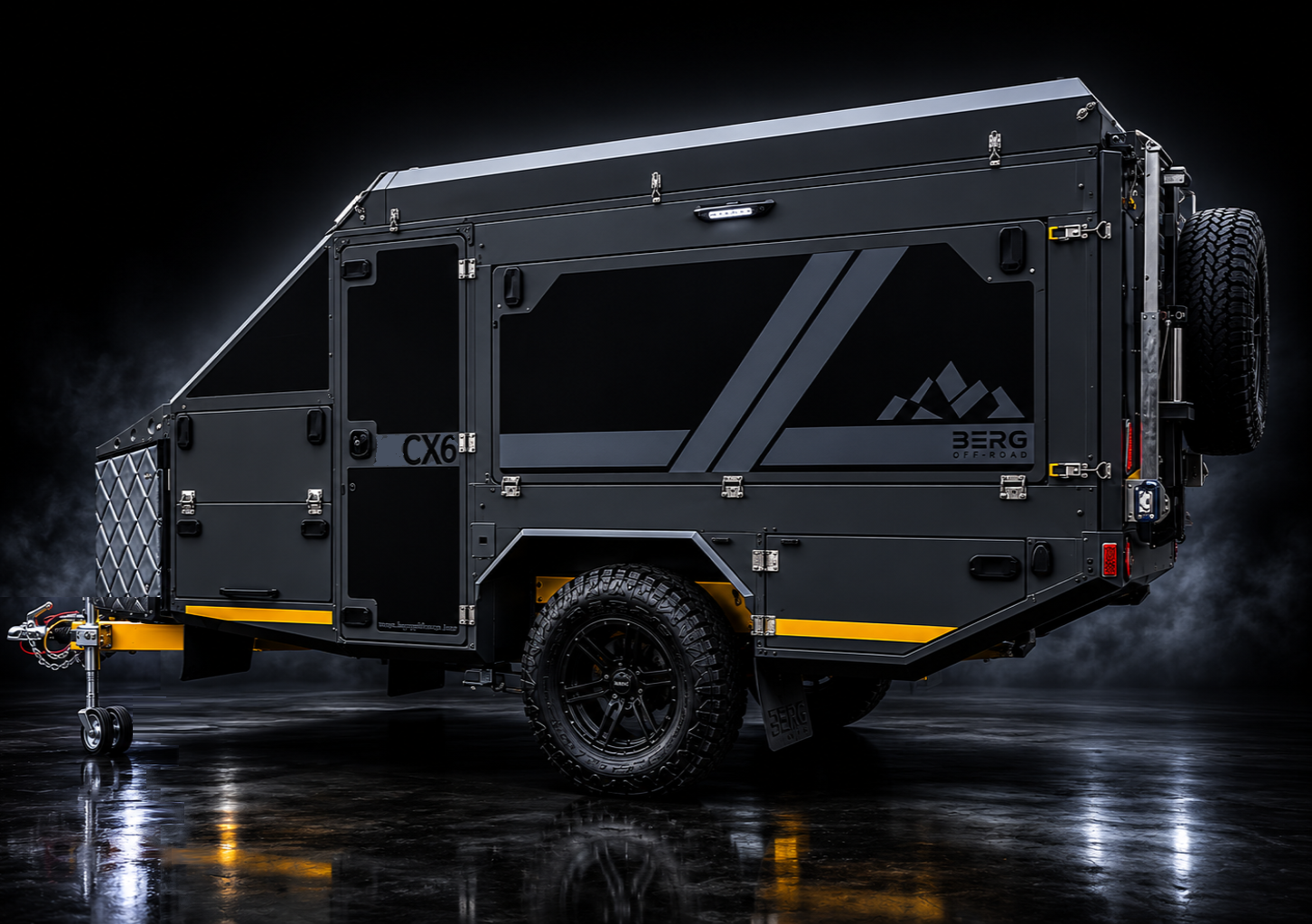
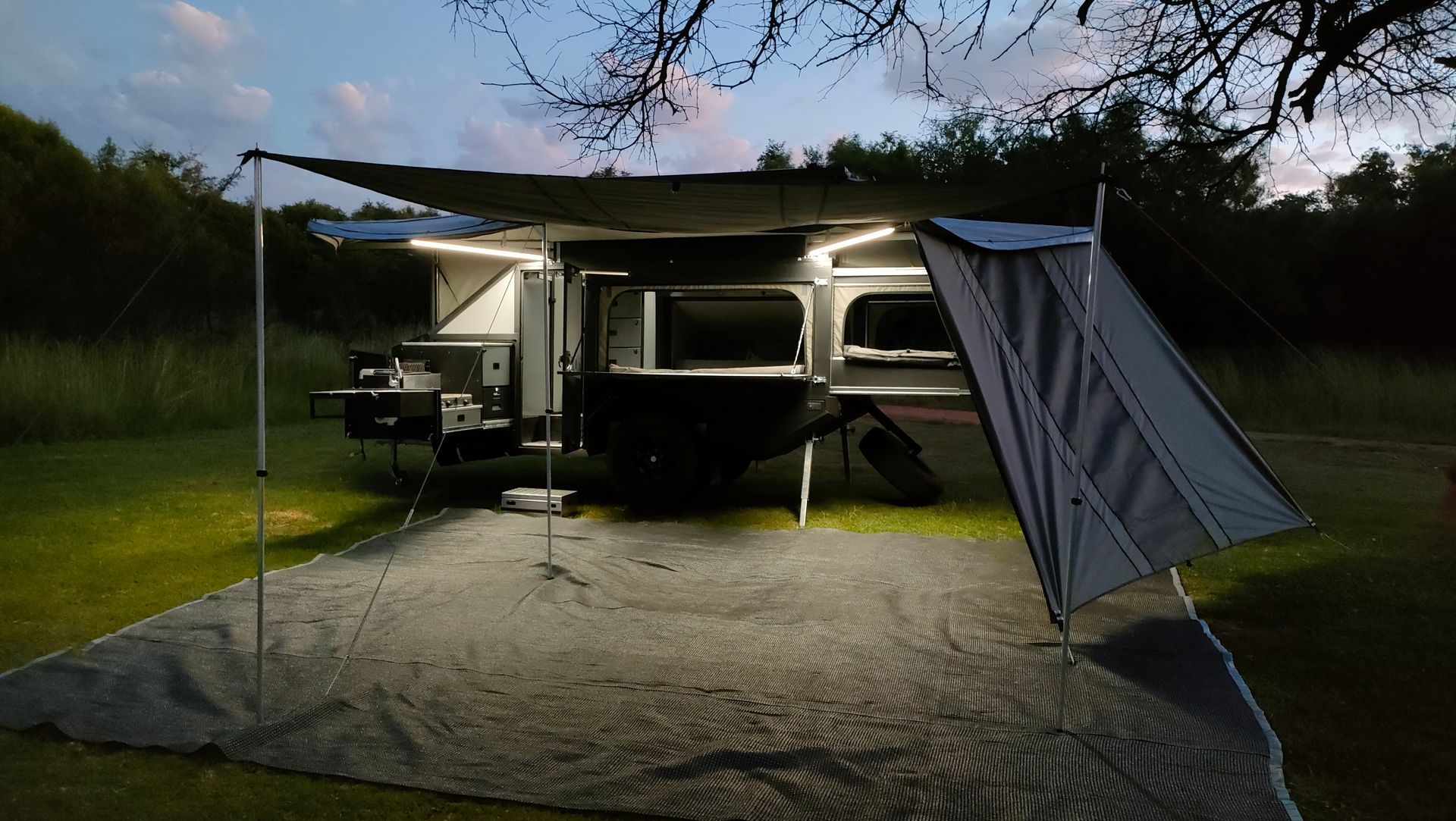
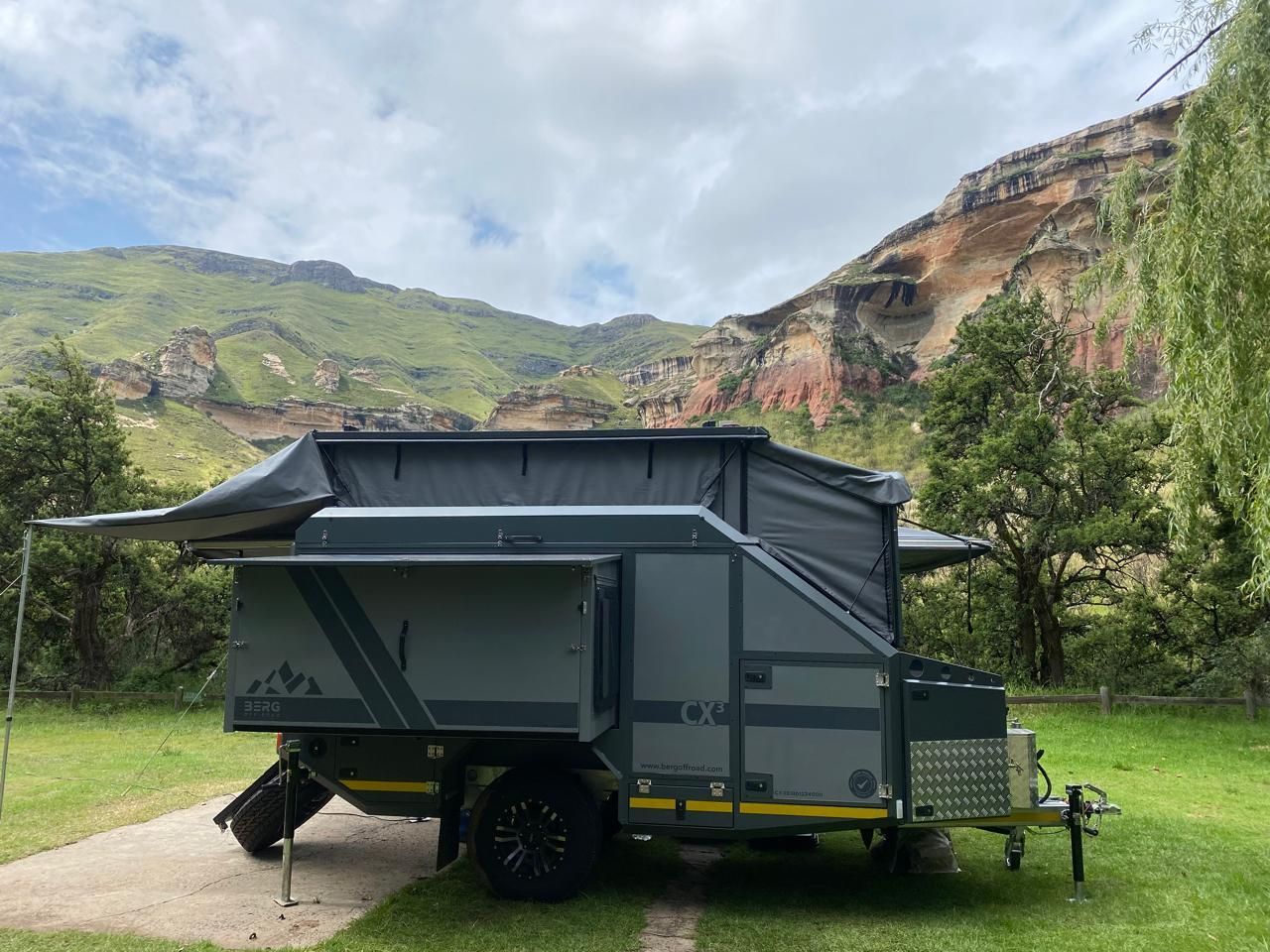
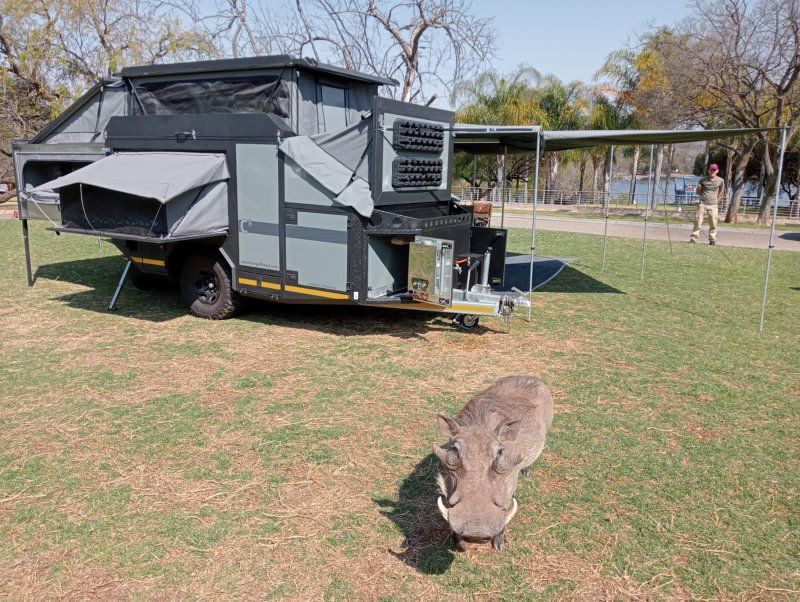
An awning adds welcome living space around a caravan. Practise the setup and know its weather limits. If you’re exploring different arrangements, BERG’s awning and shelter options offer a few ideas for creating more room at camp.
2 - The quick setup kit: arrive, unpack, exhale
After a long drive, the first things you need should be the easiest things to reach.
Keep a setup kit near an accessible hatch: work gloves, pegs, ropes, a hammer, wheel chocks, suitable levelling equipment and a headlamp. Your toolbox should be within reach, rather than beneath everyone’s luggage.
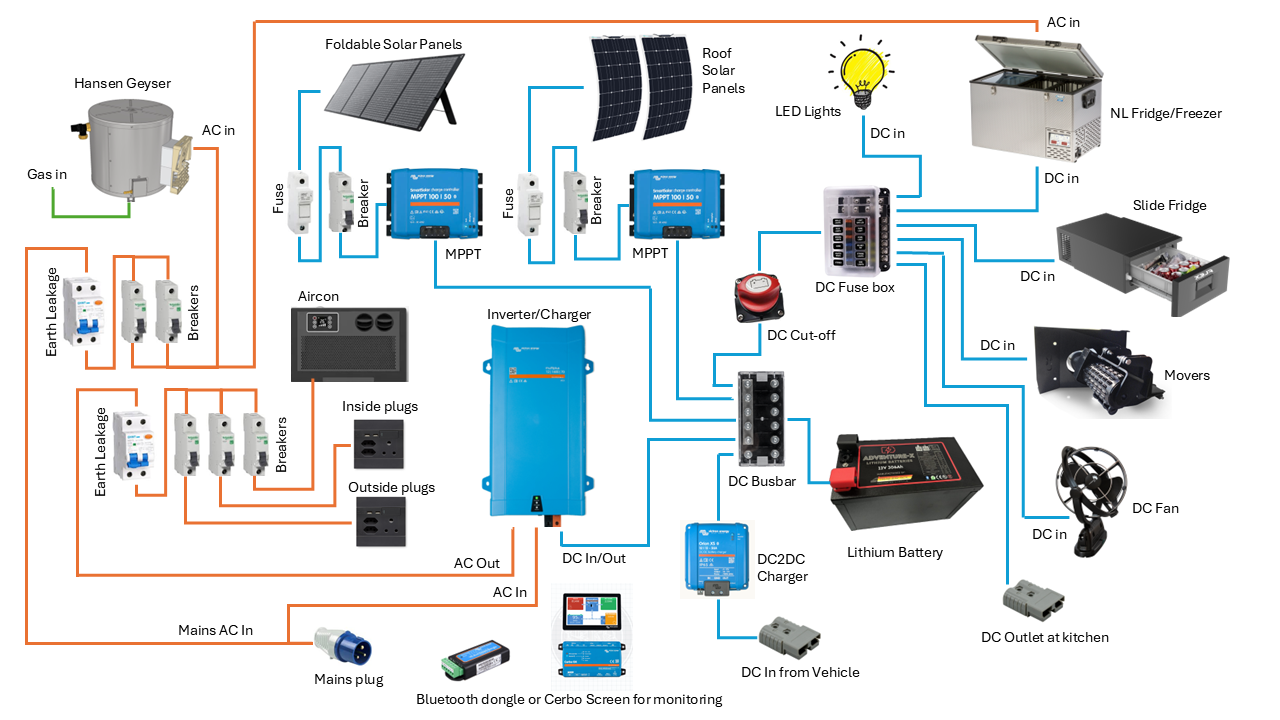
The setup shortcut: a charged cordless drill with the correct attachment can speed up approved caravan setup tasks. BERG offers an electric drill upgrade kit. Check suitable uses and settings, and keep the manual handle aboard.
“Charged” is doing important work in that sentence.
Pack the fold-up chairs close to the entrance, too. Younger passengers—or anyone whose enthusiasm expired about 40 kilometres back—can sit down while camp takes shape.
Keep water bottles and a small snack handy. A cold beer can wait until the driving and setup are finished.
Try this: do one practice setup at home. You’ll quickly discover which tool needs to move closer to the door.
3 - Cooking and kitchen: hungry people are poor problem-solvers
Before packing every utensil you own, plan a few simple meals. Then pack what you need to make them.
A sharp knife, chopping board, suitable pots, kettle, tongs and can opener will earn their space. Remember plates, mugs and cutlery for everyone, plus food containers and rubbish bags.
Check your gas supply before leaving. Make sure you have enough for the stove, gas water heater and any other gas appliances you’ll use. Check connections and secure cylinders according to your equipment’s instructions. Discovering you’re out of gas halfway through cooking is disappointing. Discovering it halfway through a shower is more personal.
Taking a braai? Check the grid, tongs, suitable fuel and ignition supplies. Follow local fire rules and cook outdoors with appropriate clearance.
Then give the groceries some attention:
- Double-bag dry ingredients. Portion flour, oats and rice into sturdy, food-safe zip-seal bags, then place them inside a second bag and a protective lidded container.
- Write instructions on the bag. Include water quantities, cooking times and portions. Nobody wants to guess the pancake mixture before coffee.
- Contain the leaks. Keep oil and sauces upright in washable trays, separate from cleaning products.
- Pack a backup supper. Choose one easy meal that needs no refrigeration and very little preparation.
- Keep the first morning’s coffee together. The holiday shouldn’t begin with an archaeological dig through the groceries.
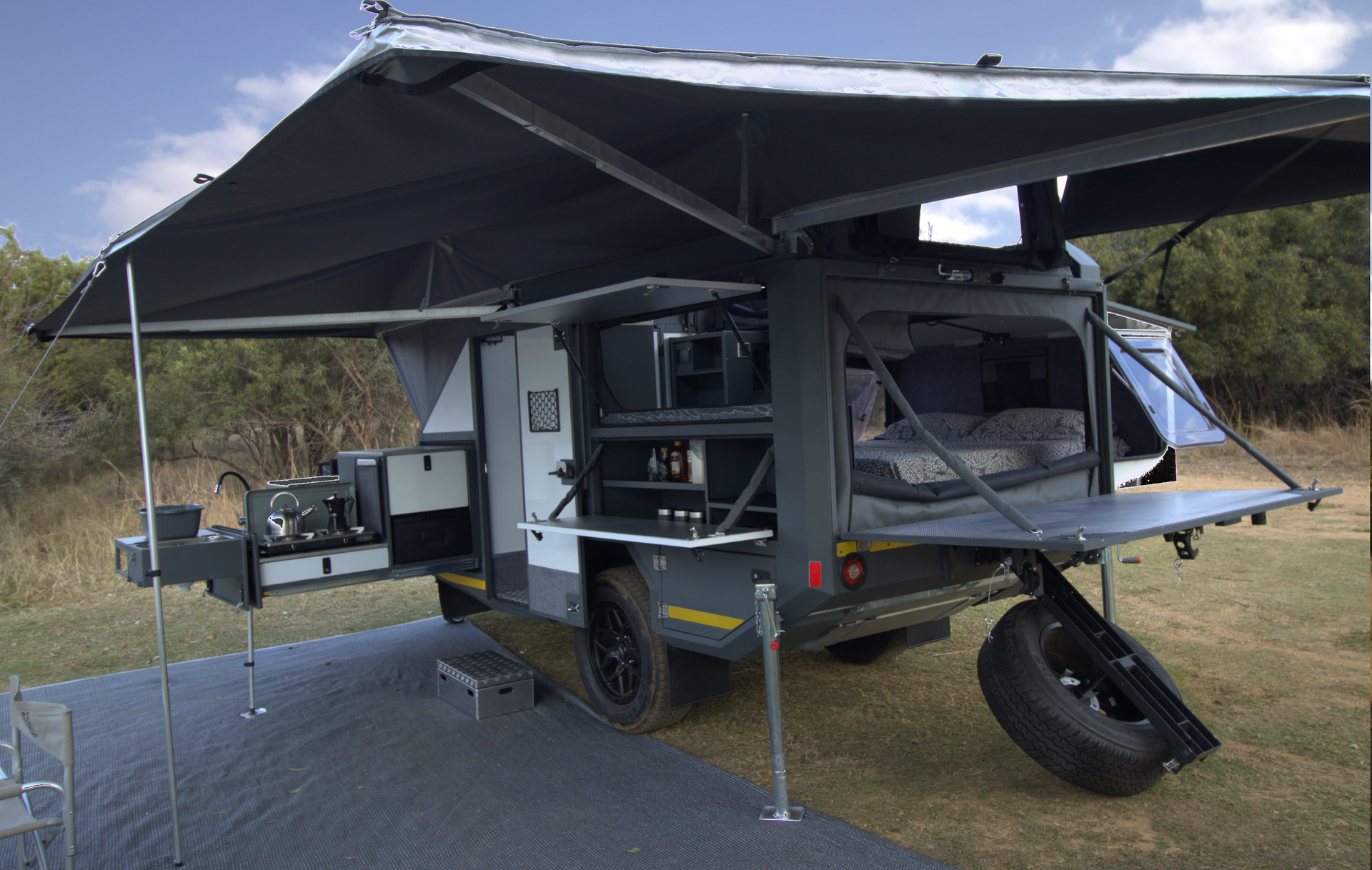
If you’re packing a caravan, check what’s already aboard. BERG’s equipped kitchens are a useful example of how dedicated cookware and utensils can simplify packing.
4 - Water and hydration: the kettle is only the beginning
You’ll need water for drinking, cooking, dishes and personal washing. Those little uses add up.
Plan around your group, the weather, your refill points and possible delays. Carry a separate, accessible drinking-water reserve and give everyone a refillable bottle.
Try this: measure your water use on a short camping trip. It gives you a much better starting point than guessing beside an empty tank.
Check tanks, pumps, taps and filling equipment before departure. Keep clean filling hoses and connectors separate from waste-water equipment.
If you carry a filter, understand its limits. Clear water isn’t necessarily safe, and many portable filters don’t remove viruses. Match your treatment method to the source. The CDC explains the different options.
This is also worth considering when choosing a caravan. BERG’s water-storage and filtration options include an additional tank configured for fresh or grey water. More water to use and somewhere to collect used water solve different camping problems.
5 - Outdoor comfort: somewhere to sit, somewhere to put the mug
Pack a fold-up chair for every person and a steady folding table. Balancing hot coffee on your knee loses its charm quickly.
Add shade, suitable lighting, warm clothing for the evening and somewhere for wet shoes.
Try this: place a mat and shoe tray at the entrance, with a small brush nearby. You’ll spend less time wondering how so much campsite got into your bed.
A headlamp is another small item with an impressive list of uses: cooking, finding pegs, walking to the ablutions and checking something underneath the caravan.
Give everyone their own and check the batteries or charge before leaving. A handheld torch makes a useful backup.
Pack mosquito and tick repellent suitable for the people using it, along with sunscreen, hats and sunglasses. The sunset is lovely. Spending it slapping your ankles is less relaxing.
6 - Safety and navigation: prepare while you still have signal
Download maps before departure and test them offline. Save booking confirmations, gate instructions and important contact details somewhere you can access without reception.
Tell someone your route and expected check-in times. Agree beforehand what they should do if you don’t check in.
For remote travel, consider emergency communication equipment suited to the area. Check that devices work and any required subscriptions are active.
Pack an accessible first-aid kit and personal medication. Check the contents and expiry dates before leaving, rather than assuming last year’s kit is still complete.
Try this: keep paper copies of critical information in a waterproof pouch. They won’t need charging, a password or a software update.
7 - Maintenance and repairs: the right tool beats a full toolbox
Check your spare tyres, tyre-pressure gauge, compressor and wheel-changing equipment. Make sure the tools fit the vehicle and caravan you’re taking.
Add work gloves, the correct spare fuses, a multitool, cable ties and suitable repair tape for minor problems. Carry equipment you understand how to use.
Heading onto soft ground? Pack a spade and purpose-made recovery tracks. The spade helps clear material around bogged tyres; the tracks provide a surface the tyres can grip. BERG includes both in its listed recovery equipment—practical items that make sense long before you need them.
If you lose forward progress, stop and assess. Repeated wheelspin can dig you deeper. Use equipment according to its instructions and keep bystanders clear. More demanding recoveries need appropriate rated equipment and training. Never attach a recovery strap to a tow ball. See ARB’s recovery guidance.
Try this: keep recovery equipment accessible. A spade beneath a week’s worth of luggage adds unnecessary unpacking to an already muddy afternoon.
8 - Entertainment and recreation: bring something that doesn’t need reception
Cards, a compact board game, binoculars, a book or a wildlife guide can keep everyone happily occupied.
A small Bluetooth speaker is lovely for your own patch of camp. Keep the volume low and respect quiet hours. Your neighbours may have travelled quite far to hear the birds.
For children, pack a few easy activities: drawing supplies, a scavenger hunt or a favourite travel game.
Try this: keep an entertainment pouch within reach for weather delays and slow afternoons. Download music, podcasts or audiobooks before leaving home.
Bored passengers have a remarkable ability to find the snack supply.
9 - The basic essentials: yes, check the toilet paper
Pack toilet paper in a waterproof bag and keep a spare roll separately. This is one item where a little duplication makes excellent sense.
Add soap, towels, toothbrushes, personal hygiene supplies and rubbish bags. Check what the campsite provides, especially if you need your own toilet facilities or waste-water collection.
Keep food and waste secured according to the campsite’s wildlife rules.
And give your keys one consistent home: a hook, a zipped pocket or a particular pouch.
“Somewhere safe” is how keys begin a second life.
Leave the remembering to a checklist
The best packing list gets better with every trip.
When you return, note what you used, what you missed and what you carried around for absolutely no reason. Restock the little things before putting everything away.
Then, next time someone asks, “Who packed the…?”, you’ll have an answer.
Get your free Essential Take-Along Checklist
We’ve put together a printable checklist you can tick off before your next adventure—from bedding and braai supplies to your quick setup kit, safety equipment and that all-important spare toilet roll.
Print it, laminate it and keep it in your caravan for your next trip.
You’ll also join the BERG newsletter for camping tips, trip inspiration and BERG news. Unsubscribe whenever you like.
Enter your email address in the form below, and we’ll email you your free printable checklist straight away. ⬇️